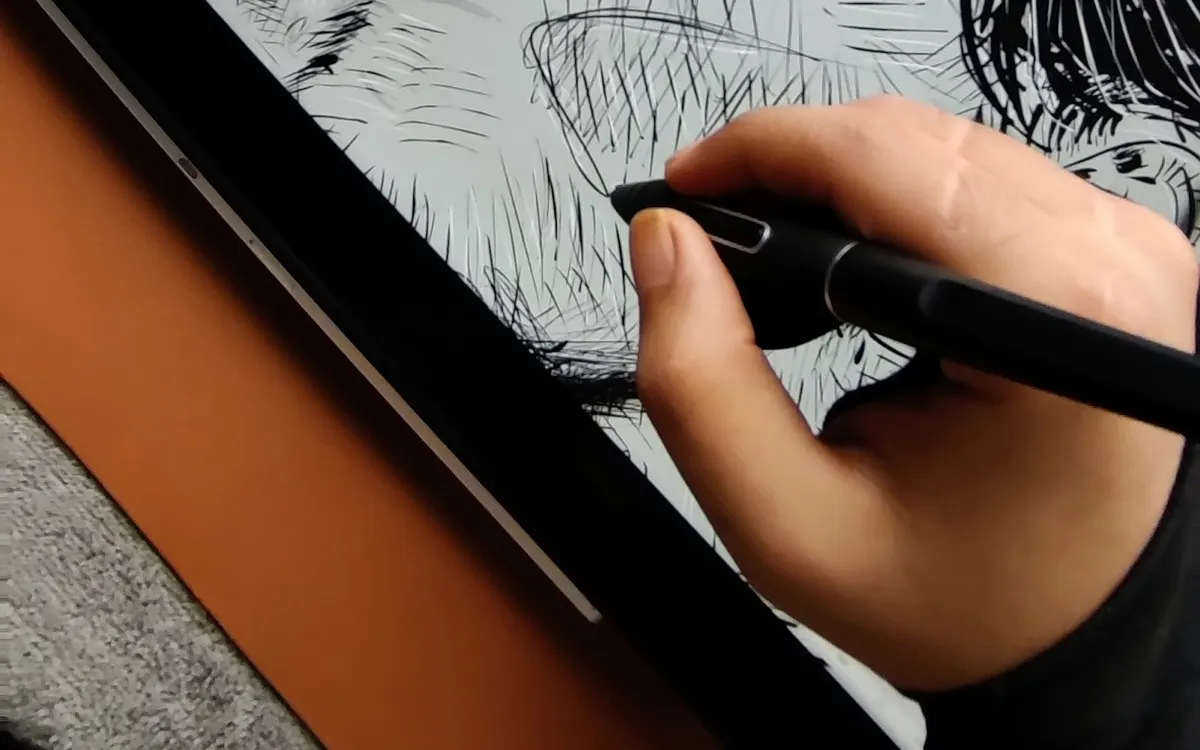
Online and digital mean different things
Online art therapy describes contact at a distance; digital drawing describes a material. Video sessions can use ordinary paper, while in-person sessions can use a tablet. This distinction helps you ask precise questions. Imagine someone agreeing to online meetings but not wanting an art application: distance alone does not require one. Ask exactly what is proposed, which tools are necessary and whether familiar materials are possible. Technological novelty does not establish greater therapeutic benefit. A simple arrangement may be easier to use than a feature-rich one.
Check the fit with your circumstances
Removing travel may help, while home may lack privacy, space or reliable connection. List what becomes easier and harder. In an invented example, a parent saves an hour of travel but simultaneously has to supervise a toddler. That is not deficient motivation; it calls for realistic arrangements around time and support. Ask when the practitioner would suggest in-person care or another service. Suitability depends on the actual situation, not simply possessing a camera and internet access. Practical difficulties deserve discussion before they are mistaken for unwillingness to engage.
Preparation should be straightforward
Before the first appointment, clarify access, materials and a connection-failure plan. HHS recommends explaining arrangements beforehand, including adult presence in appointments with children. Add an art-specific practical question: how can you show the paper without spilling water on the device? Try the table and camera arrangement using non-personal material. Avoid buying a second device before understanding why it is needed. A convenient format should not turn first contact with care into a technical examination. Ask for instructions in a form you can comfortably follow and revisit.
Privacy on both sides of the screen
Headphones stop the practitioner's words broadcasting into the room, but cannot prevent others hearing your voice. Consider who might enter, see the screen or read messages on a shared device. In an invented example, someone talks from the kitchen while family members pass nearby; a private video link does not make the room private. Discuss alternatives if separation is impossible. HHS also highlights privacy and the presence of interpreters or carers. Agree what every person present can hear or see instead of assuming their role is obvious.
Images have their own digital route
Showing artwork to a camera, sending a photograph and saving it in a shared application are different actions. Ask which is required, who has access and whether copies are created. Imagine an application automatically publishing drawings to a profile or syncing them to a family gallery. Understand this before using personal material. Separately discuss video recording, automatic transcription and third-party AI services: these should not be invisible participation conditions. If a tool is unclear, request an explanation and an accessible alternative before uploading your work.
A child's appointment does not mean being alone
Clarify the adult's role: helping connect, remaining available or participating throughout. For teenagers, also clarify private time and what parents are told, within local requirements. In an invented example, an adult continually corrects a drawing off-camera while the practitioner sees only the result. An agreement about roles can prevent that confusion. Home materials also need checking for age and intended use; a camera does not replace necessary supervision. Establish responsibility for the physical workspace. Remote professional contact and local practical support are different tasks, even when they happen at the same time.
Professional boundaries still apply
AATA's public course overview on remote work identifies competence, boundaries and legal responsibilities as topics. It is a course description, not an effectiveness study or a claim that we accessed restricted teaching. Ask where the practitioner works, whether they can serve someone in your location and what happens if contact is interrupted. American legal terminology does not automatically set rules in Ukraine. Also agree messaging response hours: being able to send a photograph at midnight does not imply round-the-clock availability or an emergency response service.
Review the format together
After an agreed period, discuss how participation works as well as the content. Can you show artwork comfortably? Is screen time tiring? Are pauses and endings manageable? Imagine someone who draws comfortably with a pencil but spends half the appointment configuring software; discussing a simpler material makes sense. The online format need not be defended at any cost or rejected after one technical failure. The goal is understandable, accessible interaction that can change in response to needs and actual experience, with a clear plan for reviewing its suitability.